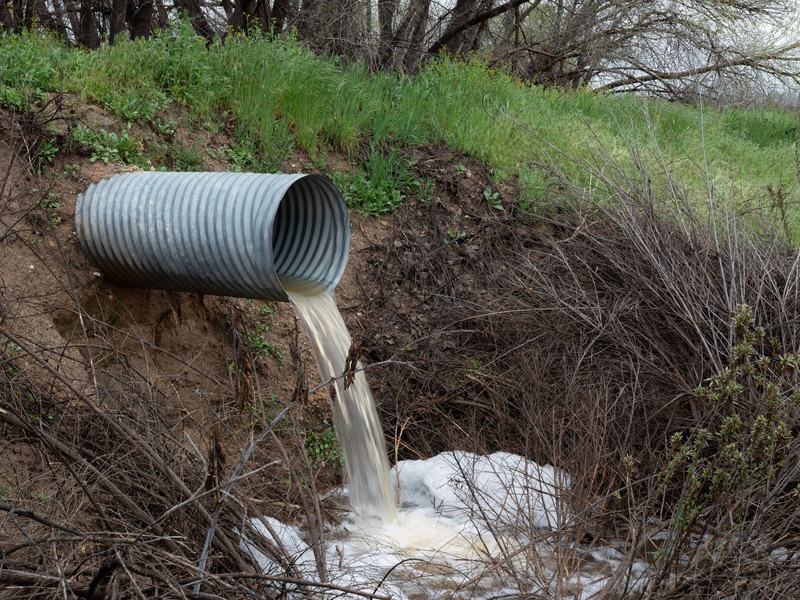
Iowa City's weather and soil conditions make late August through October the ideal window for french drain installation. Spring and early summer bring too much rain, while winter freezes the ground solid.
The best time to install a french drain in Iowa City runs from late August through October. By then, our wet season has passed and the ground is usually dry enough to excavate without turning your yard into a mud pit. Iowa City averages 38 inches of rain per year, with June bringing the most at around 5.6 inches. May and July aren't far behind. Digging trenches in saturated soil makes the work harder, damages your lawn more, and can give you false readings on where water actually pools.
Fall also gives your yard time to recover before winter. Grass seed germinates well in September here, and cooler temperatures mean less stress on new sod if you need to patch areas torn up by excavation. You'll have a decent-looking yard by the time snow flies, instead of muddy ruts that freeze solid and stay torn up until spring.
Spring is when most people notice their drainage problems. Snowmelt and April showers fill up basements and create standing water in yards. The impulse is to fix it right away, but April through June is actually the worst time to schedule installation. Those three months account for nearly 14 inches of our annual rainfall. Contractors stay busy with emergency repairs, and your job might get delayed multiple times waiting for the ground to dry out.
Iowa City sits on loam and silt loam soils that drain moderately well under normal conditions, but they turn heavy and sticky when saturated. Working in wet soil compacts it even more, which defeats the purpose of improving drainage. If you absolutely must do drainage work in spring, wait for at least three or four dry days in a row. Even then, expect to pay a bit more because the job takes longer and equipment can get stuck.
July and early August can work for drainage projects if we're not in a wet pattern. Some summers stay relatively dry after the June rains taper off. The ground is definitely dry enough to dig, and contractors have good availability. The downside is heat. Working in 85-degree weather with high humidity makes the job less pleasant for the crew, and newly disturbed soil dries out fast, which makes it harder to get grass or groundcover reestablished.
If you schedule summer work, plan to water the refilled trenches and any reseeded areas regularly. Our average humidity stays around 75 percent through summer, but we can go weeks without significant rain in July and August. Your contractor should backfill and grade properly so the surface doesn't settle into low spots when the first heavy rain finally comes.
Winter drainage work is basically impossible in Iowa City. The ground freezes solid from December through February, and frost can go down several feet. You can't excavate frozen soil without heavy equipment that tears up everything, and even if you could, you can't compact backfill properly when it's frozen. Any work done in winter would need to be redone in spring once things thaw and settle.
November can be borderline depending on the year. If we get an early cold snap, the ground freezes before Thanksgiving. Mild autumns sometimes give you until mid-November for outdoor work. Watch the forecast and don't push it. Once temperatures drop consistently below freezing at night, shut down any drainage projects until spring.
Iowa City has seen major flooding in 1993 and 2008, both times from prolonged heavy rain that overwhelmed the Iowa River and local drainage systems. The 1993 floods followed a wet fall and heavy winter snow, then 48 inches of rain fell from April through July. In 2008, the river crested at a record 31.5 feet in mid-June, flooding 1,600 acres of the city. More recently, September 2016 brought over 12 inches of rain in 24 hours to parts of northeast Iowa.
These events remind us that drainage problems here aren't just about normal rainfall. When we get several inches in a short period, even well-drained soil can't absorb it fast enough. That's when french drains earn their keep by giving water a fast path away from your foundation. Install your system during dry months so it's ready before the next big storm. Don't wait until you're bailing out your basement to call a contractor. By then, everyone else is calling too, and you might wait weeks or months for help.
Call contractors in mid to late summer to schedule fall installation. Good contractors book up fast, especially in September and October when everyone wants outdoor work finished before winter. Get estimates in July or early August, make your decision, and get on the schedule. If you wait until October to call, you might not get the work done until the following year.
Ask your contractor what happens if weather delays the job. A week of unexpected rain in September can push schedules back. Make sure you understand whether the quoted price holds if the job gets bumped to October or even early November. Most reputable contractors will work with you on timing and won't leave your yard torn up going into winter, but get those details in writing when you sign the contract.
Also in our network: Best Time for Tree Removal in Iowa City: Seasonal Guide, Best Time of Year for Stump Grinding in Iowa City.
Send us a few details and a photo and we will get you a free quote.
Get my free quote IOWA CITY